
We have been studying the poetry from ‘Through Our Eyes’ in English class. My Year 9 High school students in Australia spent a few weeks reading and reflecting on the insightful and inspiring poetry from IkamvaYouth. I, their teacher, spent a year in Cape Town in 2008 and volunteered with Ikamva as a tutor as well as taking part in all the other wonderful things that were being done. I was at the exhibition of the photos from the book and ran an interactive body percussion workshop at the launch. Some of you might remember the slogan we sang: Pictures are our stories of the world through our eyes.
As a result, it was so exciting when I started teaching in High school and realised that I could use this opportunity to spread the story of IkamvaYouth, a self sustaining, innovative organisation. At the same time, I could expose my students to some new themes and introduce them to some of the passionate people I had met, through their poetry.
We spent a few classes discussing HIV and AIDS, exchanging information that is essential for all young people. This tied in very well with Thobela’s poem ‘I want the meaning of Positive’ and it sparked much conversation about HIV as a personal and global issue and what life might be like if the word ‘Positive’ took on a new meaning from the one you’d been taught as a child. ‘Do you know your status’ was also another poem that struck my students. Life can be planned. We can strive for dreams, but all that could come to nothing if we don’t know our status. ‘I had never realised’ was another poem that we enjoyed, because it told about how perspectives change as a result of experiences. Often we don’t realise things until they stare us right in the face. This poem allowed us to question our lives and our assumptions, and begin to wonder how many things ‘we’ haven’t realised yet. It also led us to discuss what might be similar in the lives of teenagers in Khayelitsha and Australia, and what things might be different.
We also spent some time looking at the Photo Gallery on the IkamveYouth website, and that allowed us to spend an afternoon seeing Khayelitsha through your eyes as well as catching a glimpse of some of the poets in the photos. Here are my students’ reflections on some of the poetry. We’d like to thank all the poets and photographers for the snapshot of their lives, that allowed us to enter and learn from the experience. I’d also like to thank Joy for allowing us to share our reflections with you.
Eva Franklin

I was part of the history group so we were taken to the District 6 museum. We were told about District 6 and the different places formed for different people. I didn’t think I would be interested in history, but when we arrived at the museum, it was really interesting. We went around the museum and saw different things being displayed. We did an activity where we had to find things in the museum. There were great poems displayed on the floor of the memorial hall, and you had to choose one but I ended up choosing two because all those poems were good. We were sad because the fun had to end so we went back to TSIBA .
Snaza Dlakovu, Grade 8
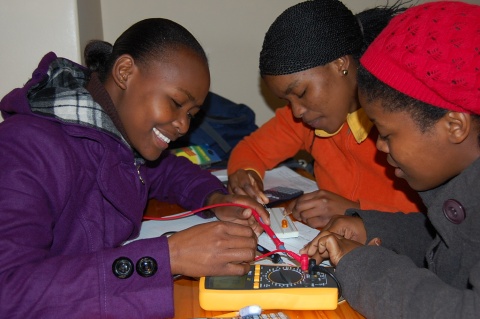
The physics and chemistry group was very fun. At first I didn’t understand what we were going to do, because there were these funny machines that I had never seen before. The teacher, Nomfundo, told us that we were making an alarm. I was so confused and shocked because I had never made an alarm before. So many thoughts went through my head. I had never made an alarm before. I made the alarm and when I was confused or didn’t put the material in a right way the tutors were there to help us. When it was time to put the batteries in, everything was good, the sound and the lights were good. It made a good sound, and I was so proud. I wish to do something as exciting today.
Modelwa Ranisi, Grade 8
Yesterday I watched a movie called Human Planet on how people around the world stay alive. I learned how other people find or make their own food. The people shown get their food in the sea. What I loved about the movie, was that the people rely on one another just to feed their families. The whole village or island works together just to put food on the table. Another thing that I loved was that even though hunting for fish in the sea is very hard, people in those countries or islands never give up. They risk their own lives for their people. What I didn’t love was that people in those countries did very dangerous jobs and that is high risk, but I learned that giving up wont help you. You have to struggle to get or to achieve what you want. The movie inspired me a lot, and I wish I could go to sea and try to hunt fish.
Sinazo Maqolu, Grade 8
At the District Six Museum, we learned about the forced removal of people. It was cool. There was a man named Mr. Williams who was one of the people who were forced to move out of their own homes to other countries. We asked him how it felt, and he said it was very painful. Yesterday made me very serious about my future and very confident about it. I want to thank Ikamva Youth for the opportunity they gave me.
Sinazo Kula, Grade 8

On Saturday 25 June, IkamvaYouth Ivory Park hosted its inaugural Careers Indaba at the IkamvaYouth Centre in Ivory Park, near Midrand. Despite icy conditions, the event saw approximately 300 learners and members of the community attend the free event that was hosted by Ikamva Youth together with participants of the 2011 Nexus Programme at the Gordon Institute of Business Science (GIBS).
For photos from the IkamvaYouth Careers Indaba in Ivory Park, click here.
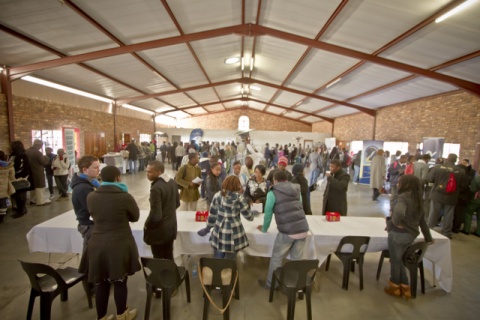
The Careers Indaba comprised of a number of major exhibiting corporates including Deloitte, ABI Beverages, KPMG and Accenture as well as representatives from the CSIR, a collection of tertiary and NGO organizations and over 40 volunteers. Tertiary institutions like WITS, Midrand Graduate Institute, Ekhuruleni West College and St Augustine College advised interested learners on courses and qualifications required for future study opportunities.
Halfway through the well-attended event, the surprise arrival of Minister of Basic Education, Angie Motshekga, caused much excitement amongst learners and exhibitors alike. Despite only staying for 10 minutes, Motshekga visited all stands personally and gave an impromptu speech to the appreciative audience. Speaking predominantly in Xhosa, she urged learners to stay in school and work hard, saying education was the single most important investment you can have in yourself. She said, “We are grateful for IkamvaYouth and for all the work they do with young people in education and we are especially thrilled to see so many supporters, companies, organisations and volunteers getting involved alongside IkamvaYouth to help build a better nation”.

Andrew Barrett, coordinator of IkamvaYouth Gauteng and a member of this year’s Nexus intake at GIBS, was overwhelmed by the attendance of the event, saying, “The lack of knowledge about potential career opportunities is a major obstacle for township school learners and so this sort of day is invaluable for so many of them. The vision of the Careers Indaba was to increase awareness and access to opportunities for individuals from impoverished communities to improve their circumstances and better plan for their futures. Based on the success of this year’s experience, we hope to make it an annual event.”
Aimed at Grade 10-12 learners but open to all interested members of the community, individual volunteers were encouraged to dialogue with attendees on a one-to-one basis sharing their own workplace and education experiences.
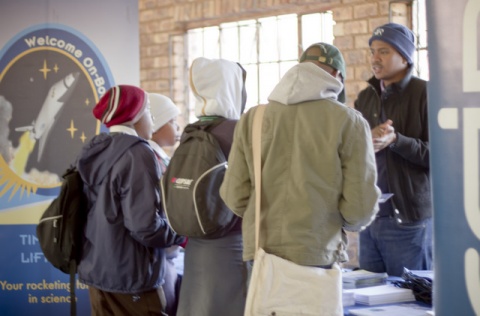
Dylan Kerr Balkind, a volunteer in his own capacity, shared his experience as a copywriter in advertising and was inspired by the new generation of learners who he communicated with. He said, “I feel like I got more out of today than most of the learners. It was wonderful to share our stories and as a whole, I found them motivated, ambitious and determined to make a success of their careers. I am looking forward to working with many of these bright young stars in the future.”
Tea and coffee kept the exhibitors warm while food sponsored by Pick n Pay and beverages sponsored by ABI Beverages kept the attendees refreshed and in high spirits. The event also hosted a series of motivational workshops for the learners and finished off with a raffle draw, with gifts and prizes being donated to the excited crowd by Deloitte, Pick n Pay and WITS.
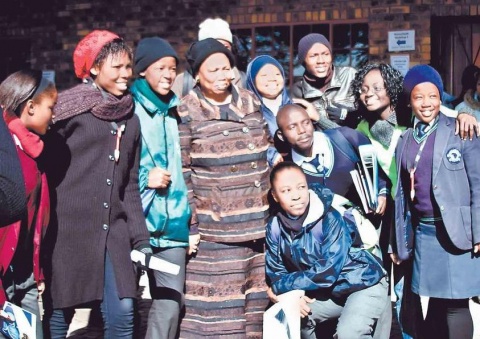
IkamvaYouth is a South African not-for-profit organization focused on the empowerment of youth through education, e-literacy and career guidance. Established in 2003, the organisation currently operates in three provinces nationally, in Khaelitsha, Nyanga and Masiphmelele in the Western Cape, Ivory Park in Gauteng and Cato Crest in KwaZulu-Natal respectively. The Ikamva Youth model is an innovative, township-based, volunteer-driven project achieving remarkable results through offering attendees supplementary tutoring, mentoring, career guidance, HIV education, life skills development and e-training. Their success rate is astonishing, with the Western Cape Ikamva Youth matriculate pass rate at between 90 and 100 percent each year. An advocate of Ikamva Youth, Motshekga has previously been quoted as saying, “The NGO sector has continued to play a very important role in education. We were fascinated by initiatives of young people supporting other young people, like IkamvaYouth.
For more photos from the IkamvaYouth Careers Indaba in Ivory Park, click here.
Written by Jane Lewis – GIBS Nexus 2011 delegate
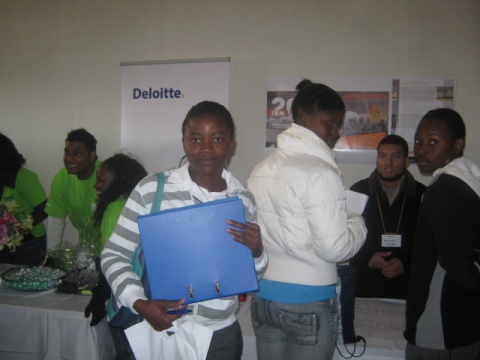

Approximately 120 Ikamva Makhaza learners have gathered today on the TSIBA campus to kick off this year’s Winter School. It will run from Tuesday, 28th June to Friday, 8th July. This morning the learners attended opening speeches and general orientation. They then were divided into interest streams and participated in a short icebreaker session within these groups. These games were followed by tutoring and a delicious lunch, prepared by a former Ikamvanite and now a professional chef, Lungelo. Learners are most excited about this Winter School’s workshops, which range from magazine design to science labs at UCT. This afternoon learners are engaged in various interesting activities–some are building satellite models with volunteers from CPUT; others are visiting the District Six museum.
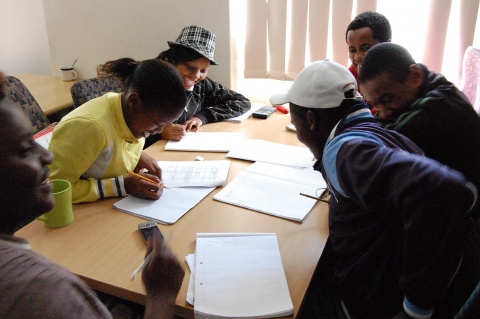
Look forward to more news about the exciting events of the upcoming two weeks!

written by Ikamva learners
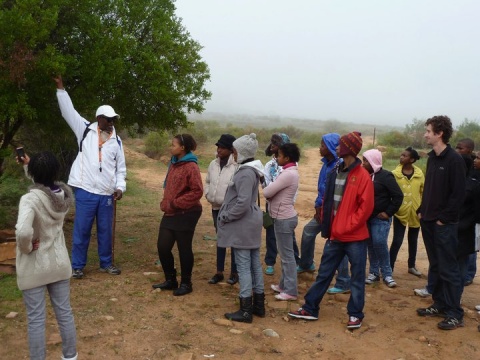
It was a trip that I will never forget because I learned so many things. I enjoyed going to Clanwilliam because I learned about rock art, how the bushmen used to live, and also about the rocks and plants. I learned more about the Table Mountain, for example that it is made out of sandstone. I’ve been asking myself how this big place could have been made out of sand. Then we arrived to Clanwilliam. Although the village is small, it is a fun and interesting place. Next morning we woke up early to go see the San rock art. We saw paintings of men, women and animals and learned about how they were painted and also what they tell us about the San. Then we went back to Cape Town.
The part of the trip that I enjoyed the most was having fun with my friends and eating good food. Another thing that I enjoyed was talking to the UCT students who went on the trip with us. Overall, it was a good weekend.
Picture below: Ikamvanites listening to a guide
Special Thanks to Dr. Carl Palmer and the sponsors of this trip

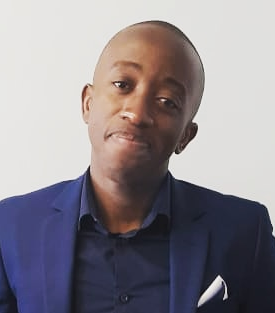 Lloyd Lungu