
ABOUT US
Why we Exist
SOUTH AFRICA’S EDUCATION SYSTEM IS IN CRISIS:
- 50% of children do not make it to Grade 12 (which is approximately half a million learners each year)
- 80% of South African schools are dysfunctional
- We have the most unequal education system in the world: Of 200 black learners who start school, just one can expect to do well enough to study engineering. Ten white learners can expect the same result
- In one study, maths teachers of 11- and 12-year-olds sat tests similar to those taken by their class. 79% of teachers scored below the level expected of the learners
Our Story
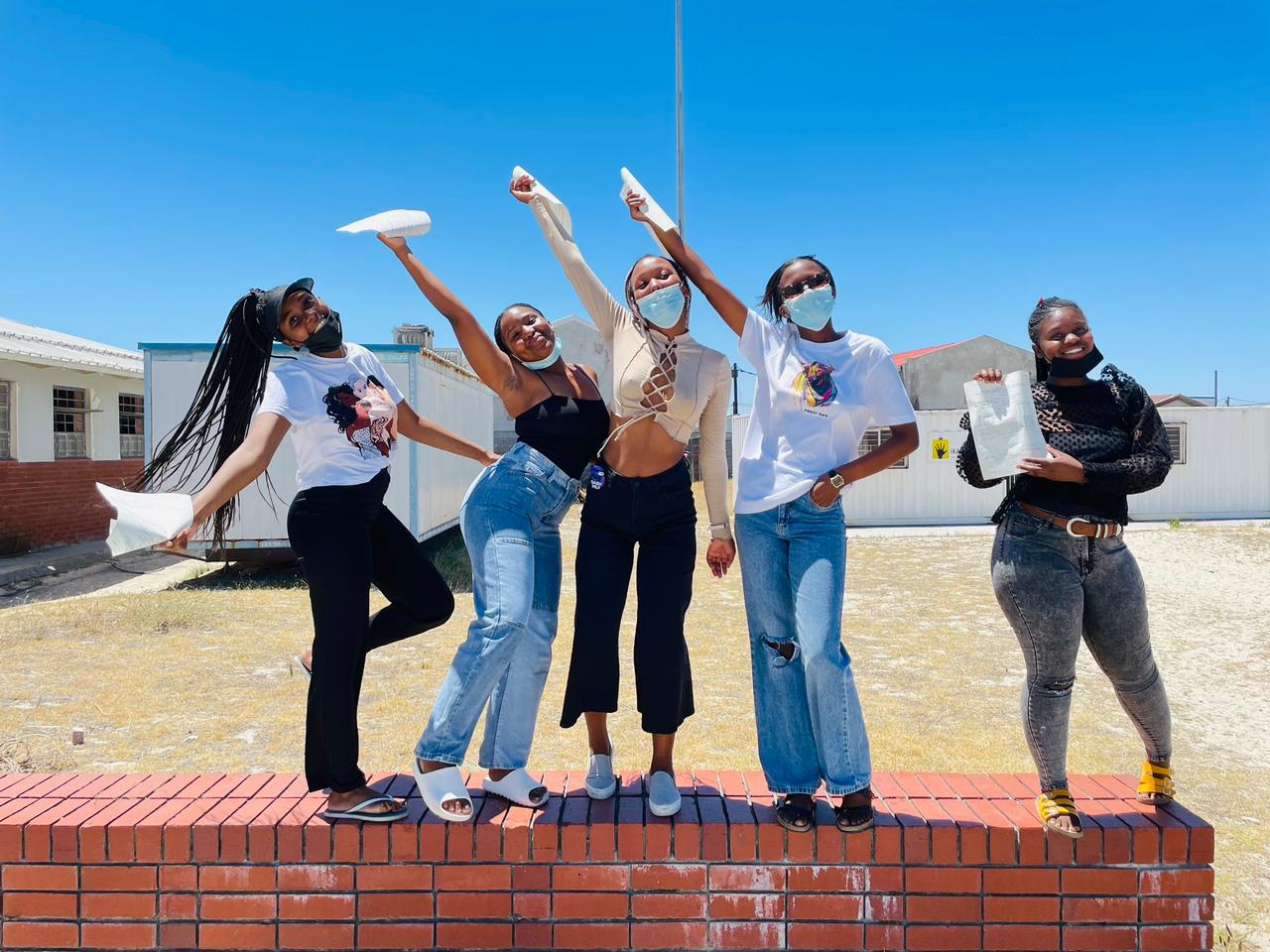
IkamvaYouth was founded in 2003 by Joy Olivier and Makhosi Gogwana, who travelled very different paths to get to the same job, as researchers at the HSRC. Joy went to a privileged school in Pietermaritzburg, KZN, and Makhosi went to a township school in Khayelitsha, WC. In conducting research on the education crisis, they compared their experiences and realised that many of the obstacles learners face are due to lack of information and support. As information and support can be given free of charge, and the principal at Makhosi’s old school was receptive; Makhosi, Joy and their friends began volunteering as tutors and mentors, with a desire to support learners to reach their fullest potential.
Our Programme
Our programme was co-created with learners and tutors. Our after-school sessions offer a range of services including academic tutoring, psycho-social support, career guidance, and lots more.
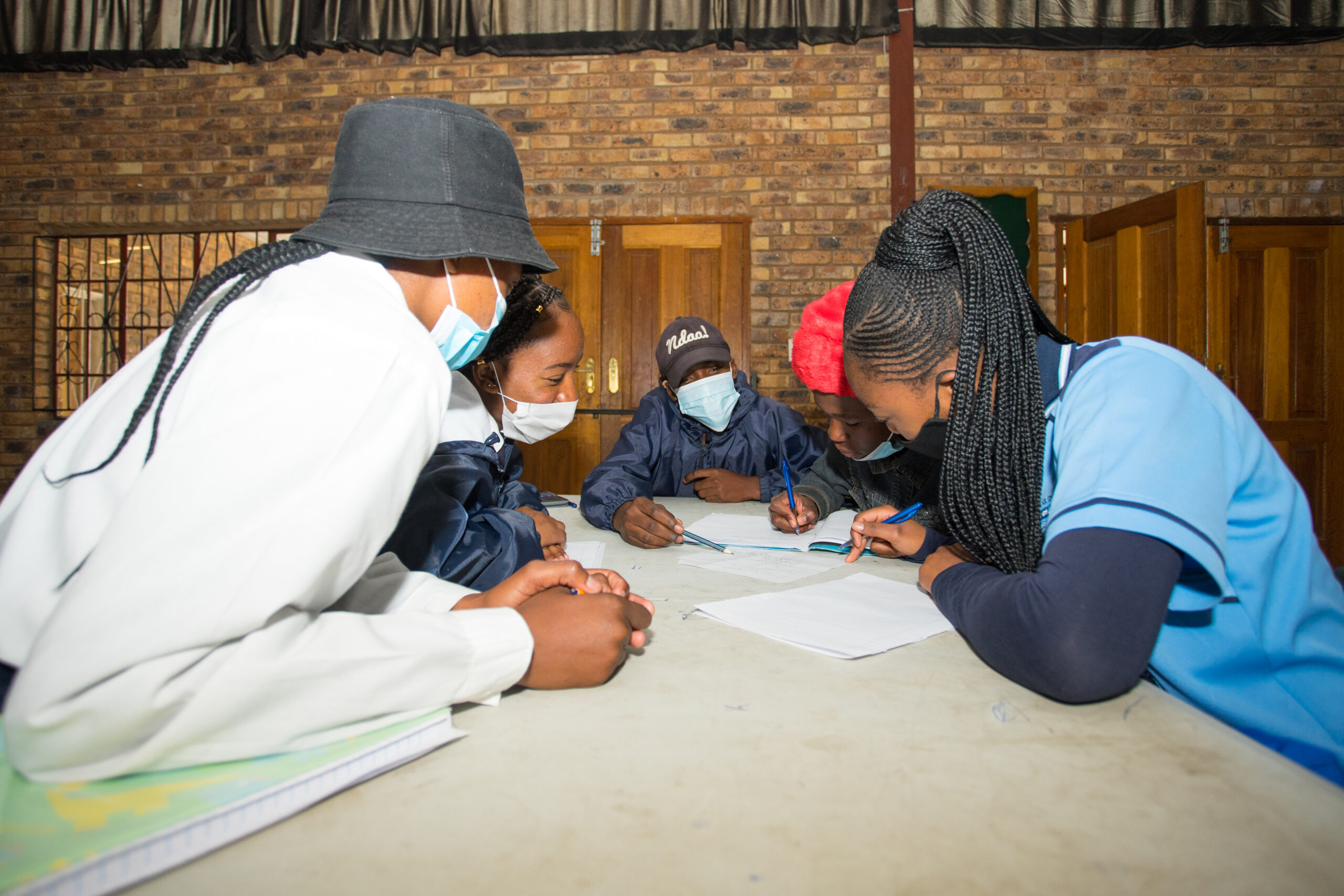
The core of our programme is tutoring. Volunteer tutors support learners in small groups to ensure that they understand their school work.
In Grade 12, we ensure learners apply to at least three post-school opportunities, so they enroll in tertiary institutions, learnerships or jobs the following year, so they have somewhere to go when they finish school.
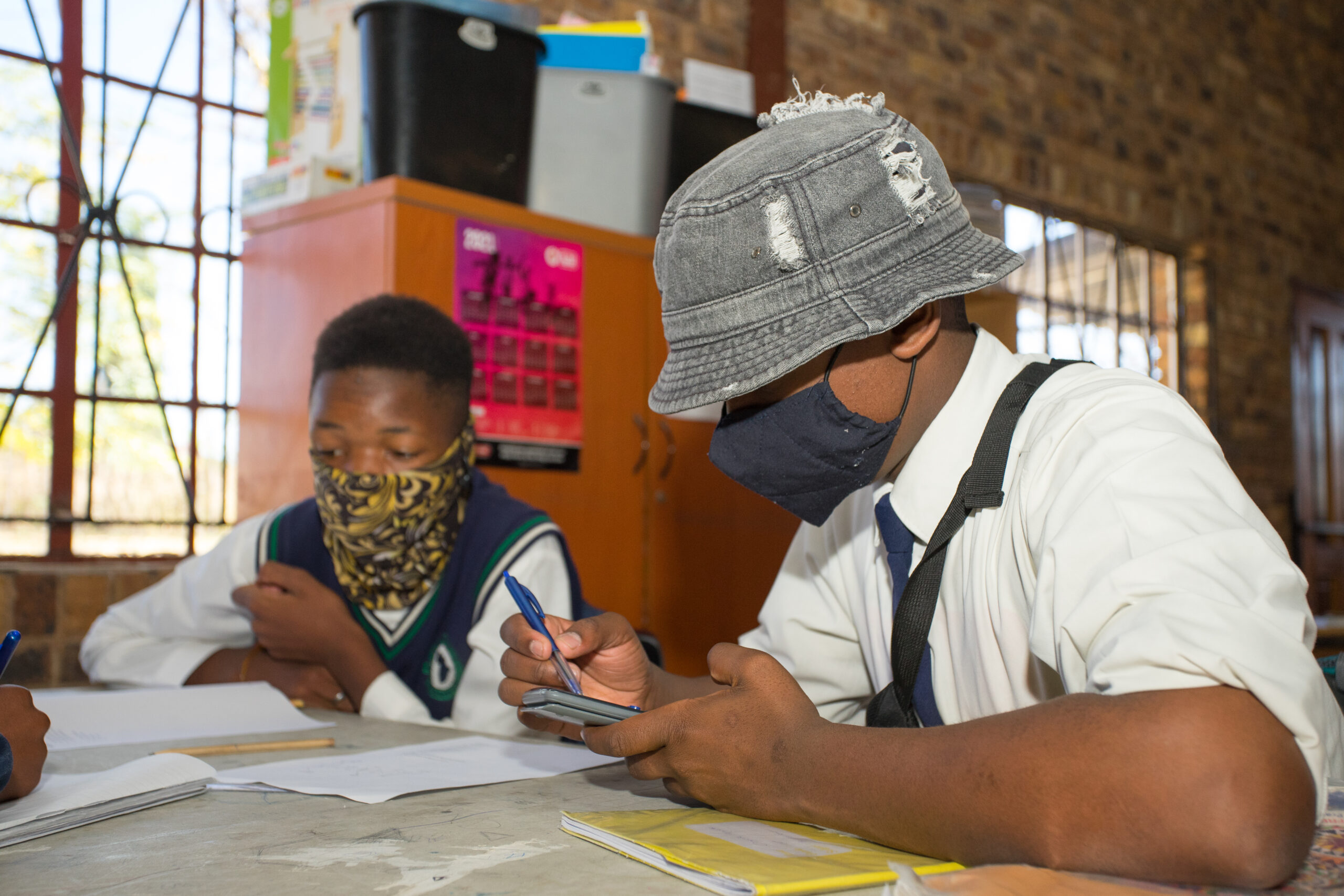
We also provide computer literacy and e- learning classes and during our winter school we partner with organisations to offer: health, leadership and life skills workshops and media, image and expression workshops
But, most of all IkamvaYouth is HOME to learners who often come from difficult environments, and when they enter the doors of IkamvaYouth they feel noticed and valued.
To join our programme there are no academic requirements for entry and participation is free of charge. However, in order to keep your place in the programme, you need to meet the attendance requirements.
Our Approach
Our innovation lies in our model; youth-driven, low-cost and high impact programming which achieves results in contexts where such achievements are seldom attained.
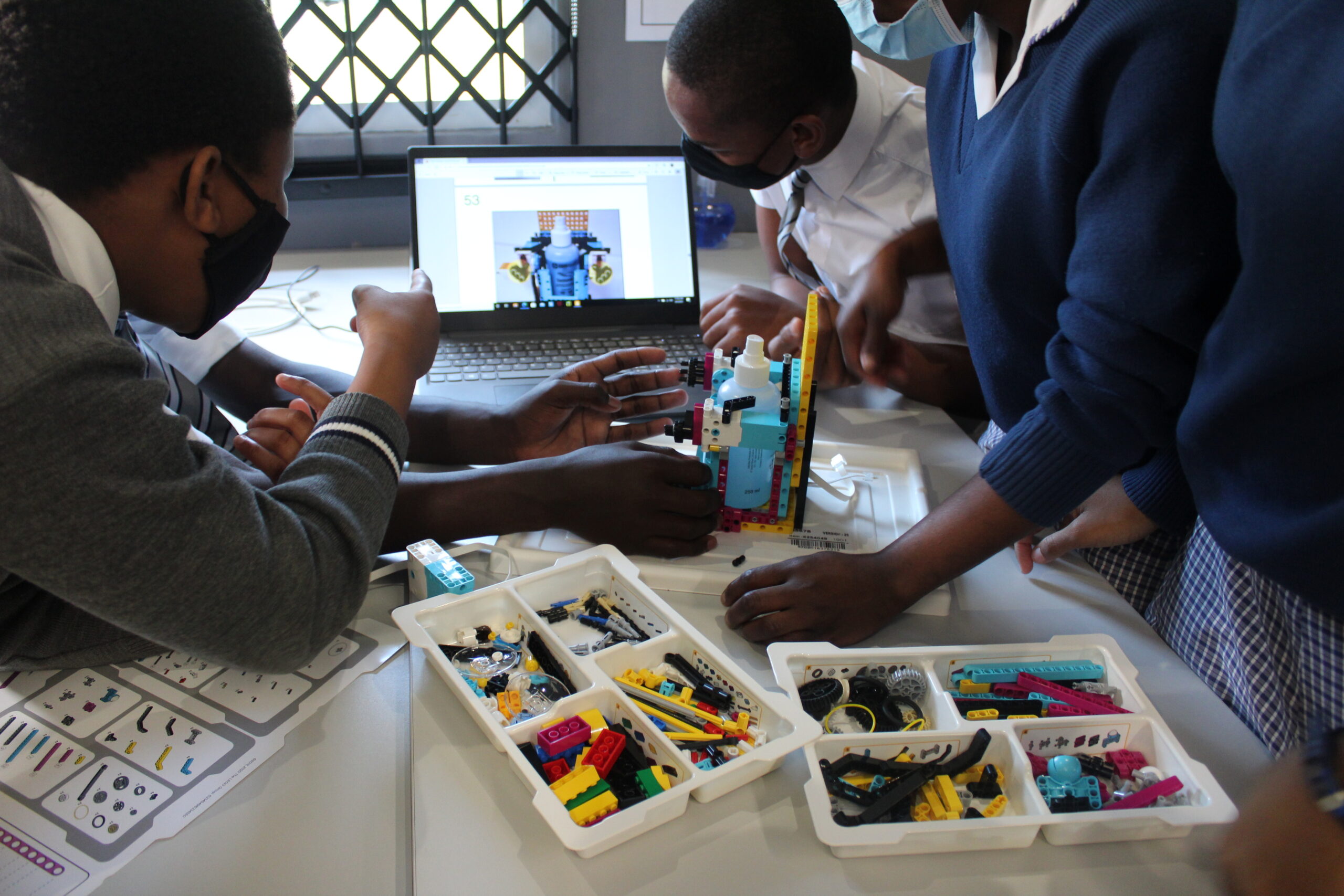
The pedagogical approach to learning ensures our volunteers (many of whom were previous learners, who have transformed from beneficiaries into benefactors) are able to deliver an effective tutoring programme.
Our volunteers work in small groups. Our learners drive the agenda by bringing the work they are struggling with to the tutoring sessions. The volunteers then facilitate peer-to-peer learning between the group; building learners’ problem solving skills and helping them learn how to learn.
Each branch is run by a branch committee, which comprises the two full-time staff members, learners, volunteers and parents. The democratic decision making and transparency which these committees strive to achieve build ownership of the branch and the programme, and build leadership experience and skills for all involved.
Our Donors
Thank you for all you do for our learners. We are continually inspired by the dedication and generosity of our donors and there is no way to fully express our gratitude for their support. We would like to thank our donors for sharing their commitment to a better, brighter future for South Africa children.




THE IKAMVAYOUTH MODEL
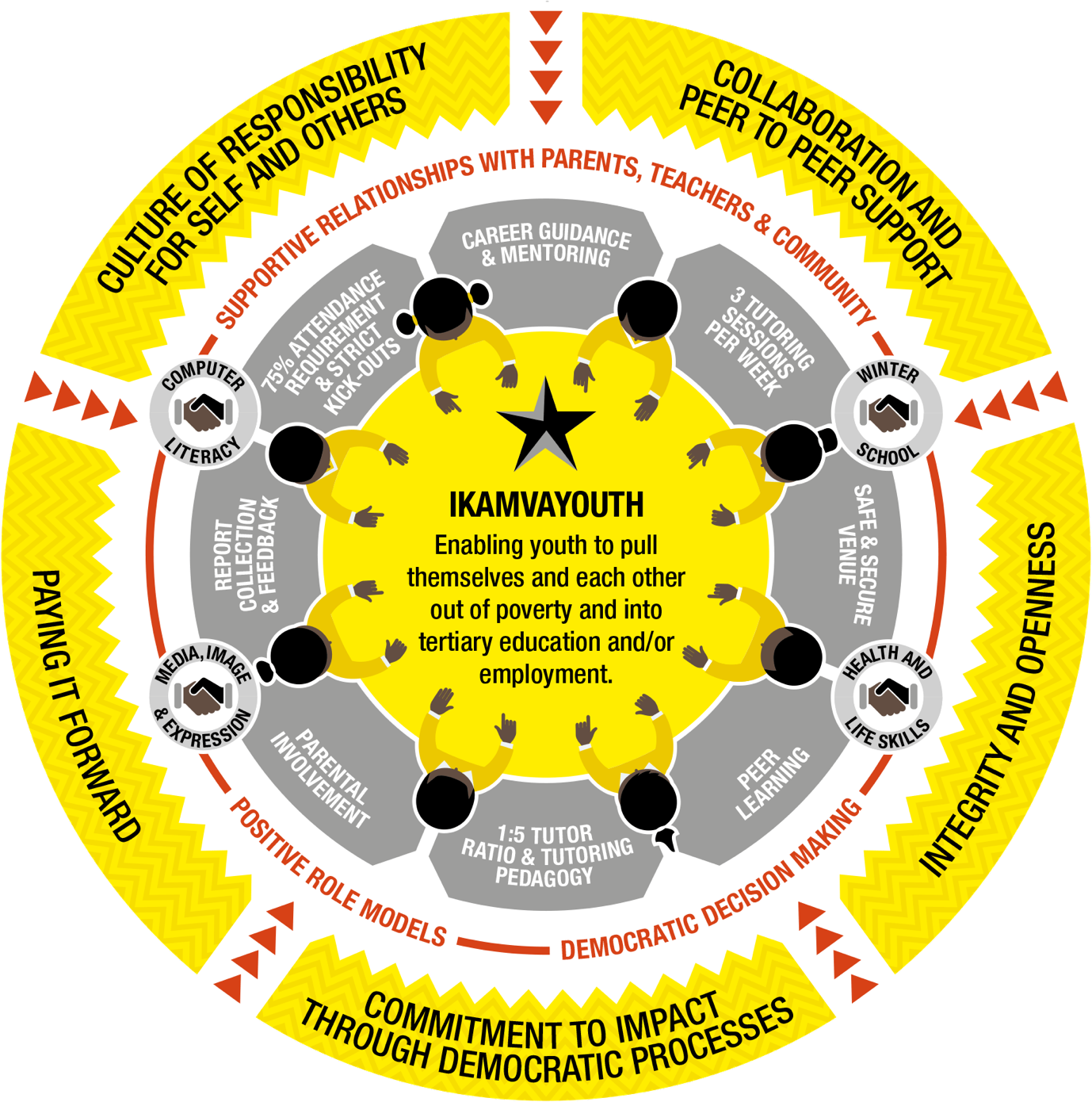
Our Culture Pillars
Community – a group of co-workers that organize in work teams not only to carry
out a specific task and fulfil business objectives that bind them with the organisation
they work at, but also a group of people that socialize, interact with each other and
grow together
Excellence – performance and conduct (Commitment to impact, integrity & transparent, Responsibility for self and others)
Continuous learning (Collaboration & peer to peer support, responsibility for self and others)
Innovation (Collaboration & peer to peer support, commitment to impact)
Inclusivity – people from different cultures, beliefs, sexualities, and differently abled people are welcomed and included.
 Lloyd Lungu